Best Timing for Poison Ivy Removal
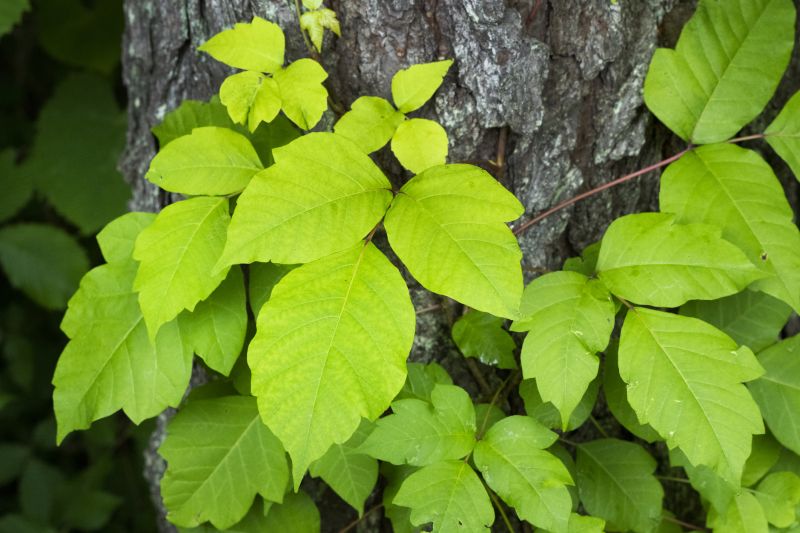
Removing poison ivy in early spring prevents it from spreading and establishes control early in the growing season.
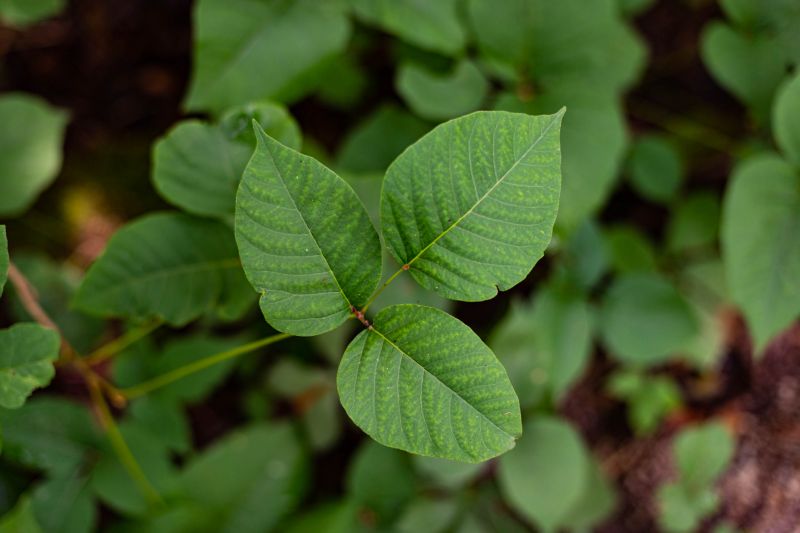
Late summer and fall are optimal for removal as plants are mature, making eradication more effective and reducing regrowth.
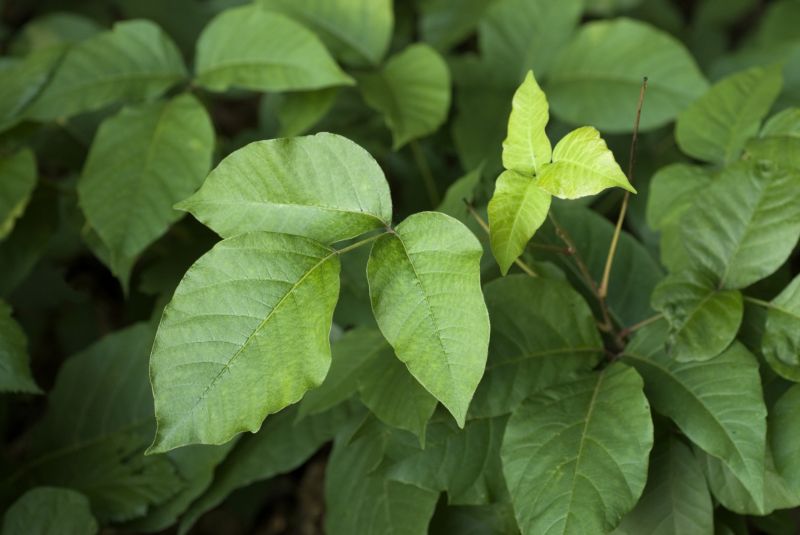
Poison ivy is dormant in winter, making removal difficult and less effective during this period.
Ways to make Poison Ivy Removals work in tight or awkward layouts.
Popular materials for Poison Ivy Removals and why they hold up over time.
Simple add-ons that improve Poison Ivy Removals without blowing the budget.
High-end options that actually feel worth it for Poison Ivy Removals.
Finishes and colors that play nicely with Poison Ivy Removals.
Poison ivy is a common invasive plant that can cause skin irritation and allergic reactions. Proper timing for removal is crucial to ensure effective eradication and minimize regrowth. Early intervention during the growing season can prevent extensive spread, while late-season removal targets mature plants for more thorough elimination.
Statistics indicate that poison ivy can grow rapidly, with some plants expanding up to 1.5 feet annually. Effective removal strategies involve understanding its growth cycle, which peaks during late spring through early fall. Timing removal during these periods can significantly reduce the likelihood of regrowth and spread to surrounding areas.
Poison ivy grows actively in spring and summer, with peak growth in early summer.
Removing poison ivy during its active growth phase increases success rates.
Using proper tools and protective gear during peak growth seasons ensures safe and effective removal.
Timely removal reduces the chances of regrowth and spread to other areas.

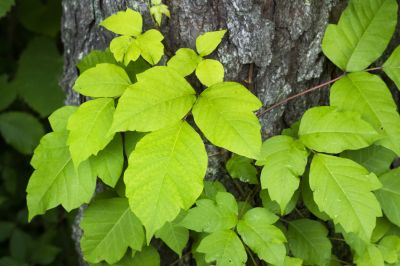
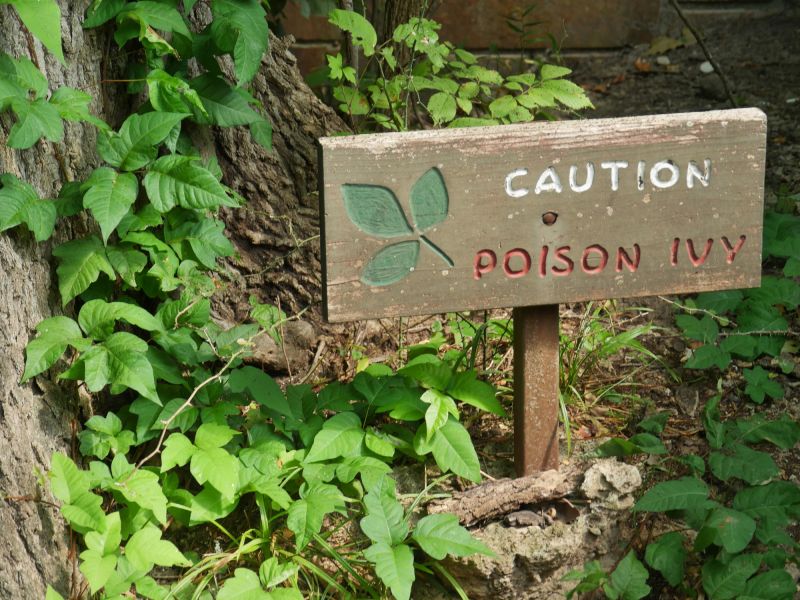
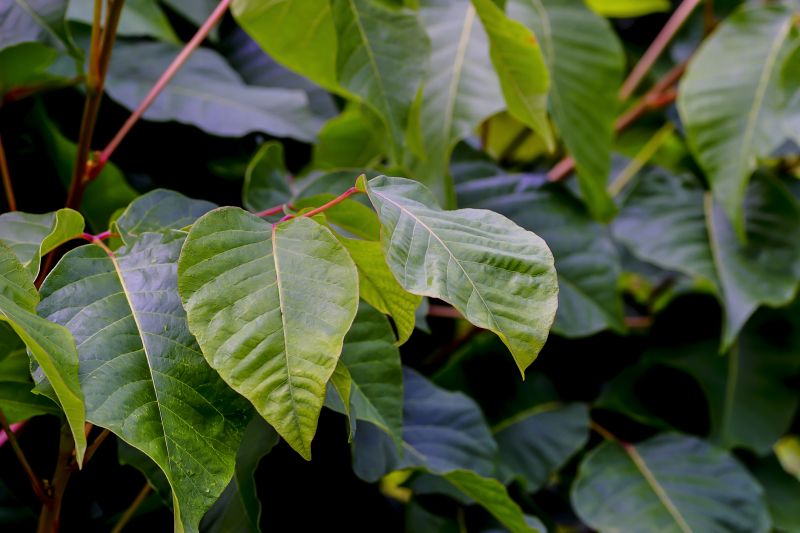
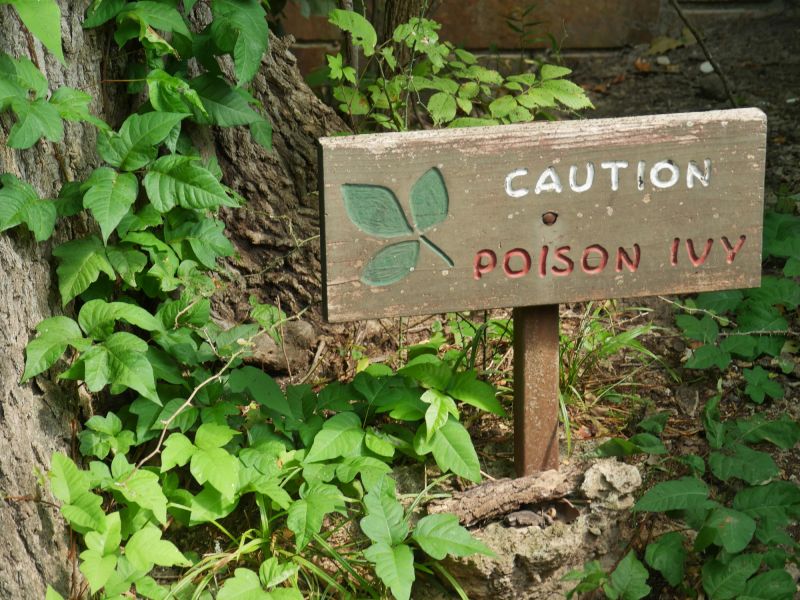
Mature poison ivy plants with characteristic three-leaf clusters.
Tools and protective gear used for safe poison ivy removal.

A landscape showing poison ivy growth near a residential property.
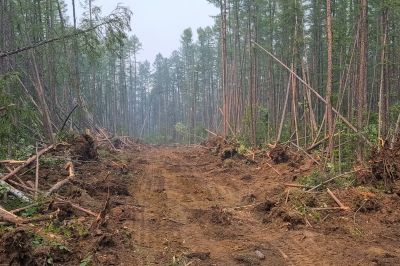
Cleared area after poison ivy removal, ready for landscaping or replanting.

Little measurements that prevent headaches on Poison Ivy Removals day.

A 60-second routine that keeps Poison Ivy Removals looking new.
A frequent mistake in Poison Ivy Removals and how to dodge it.

Small tweaks to make Poison Ivy Removals safer and easier to use.
| Season | Best Removal Period |
|---|---|
| Spring | Early spring before plants fully leaf out |
| Summer | Mid to late summer during active growth |
| Fall | Late fall when plants are mature |
| Winter | Not recommended due to dormancy |
Effective poison ivy removal depends on understanding its growth stages and timing interventions accordingly. Proper planning and execution during the optimal periods can lead to better control and less regrowth. For those interested in managing poison ivy, professional removal services are available to ensure safety and effectiveness.