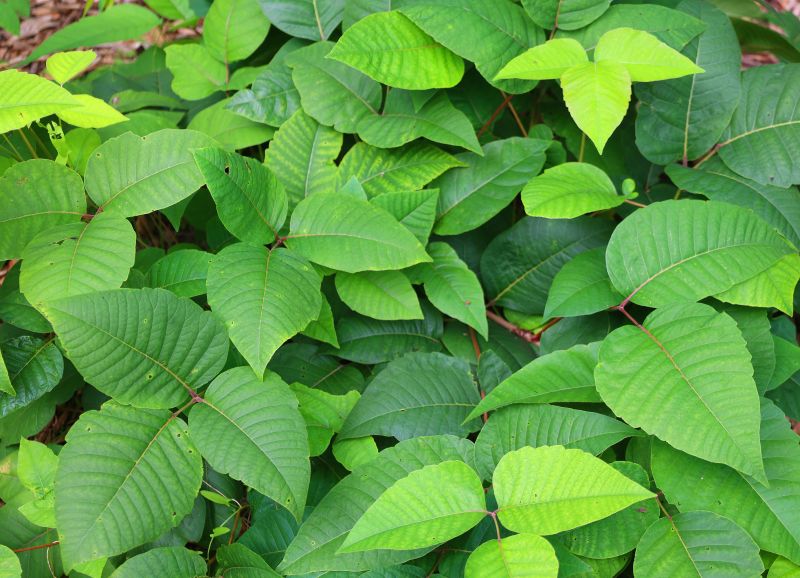
Poison Ivy Removal in Lancaster County, PA
Poison ivy removal services are designed to safely eliminate this common plant from residential properties, helping to prevent skin irritation and allergic reactions for homeowners and their families. These services typically cover a variety of projects, including clearing poison ivy from yards, gardens, fences, and around outdoor structures. Property owners often want to understand the methods used for removal, the areas that can be treated, and whether the process involves herbicide application or physical removal to ensure the plant does not regrow.
Before requesting poison ivy removal, property owners should consider the extent of the infestation and the locations where the plant has taken hold. It’s helpful to know if the removal will involve targeting roots to prevent regrowth and whether protective measures are recommended during the process. Clarifying these details can ensure the project aligns with safety preferences and property maintenance goals, making the removal process as effective and straightforward as possible.
Many property owners in Lancaster County, PA look into Poison Ivy Removal for repairs, replacements, upgrades, and appearance-related improvements.
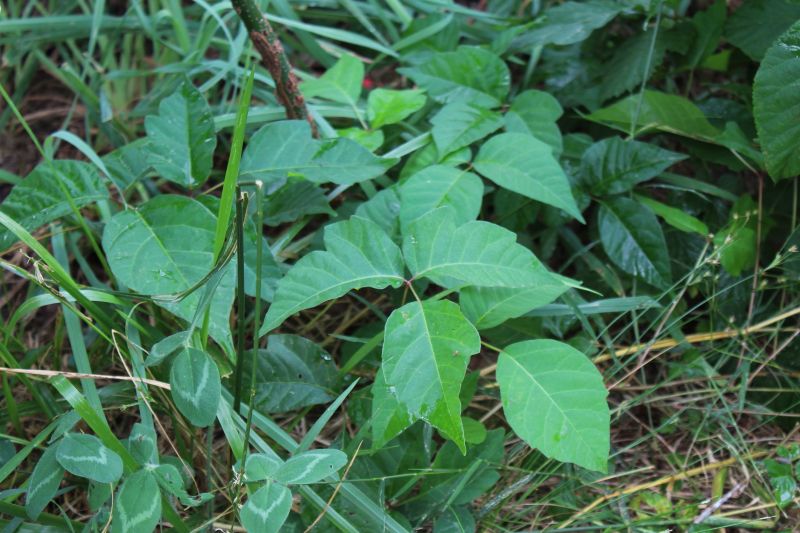
Poison Ivy Removal Services
Examples of poison ivy removal work property owners may explore in lancaster county, pa.
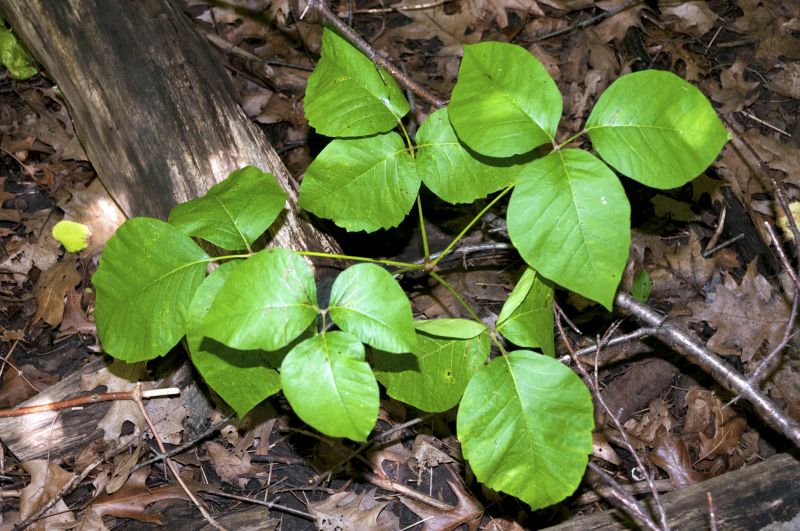
Poison Ivy Removal Updates
Common ways people refresh, improve, or restore poison ivy removal features in lancaster county, pa.
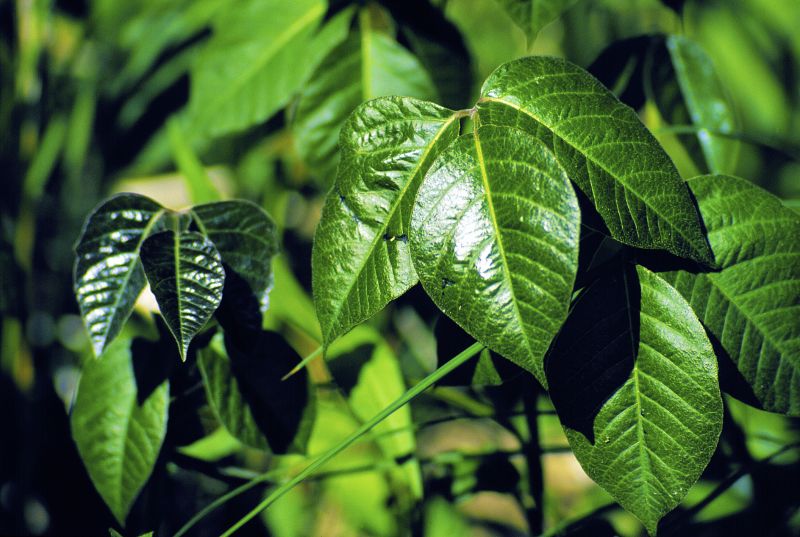
Poison Ivy Removal Options
Different styles, layouts, and finishes people consider for poison ivy removal in lancaster county, pa.
Poison Ivy Removal in Lancaster County, PA
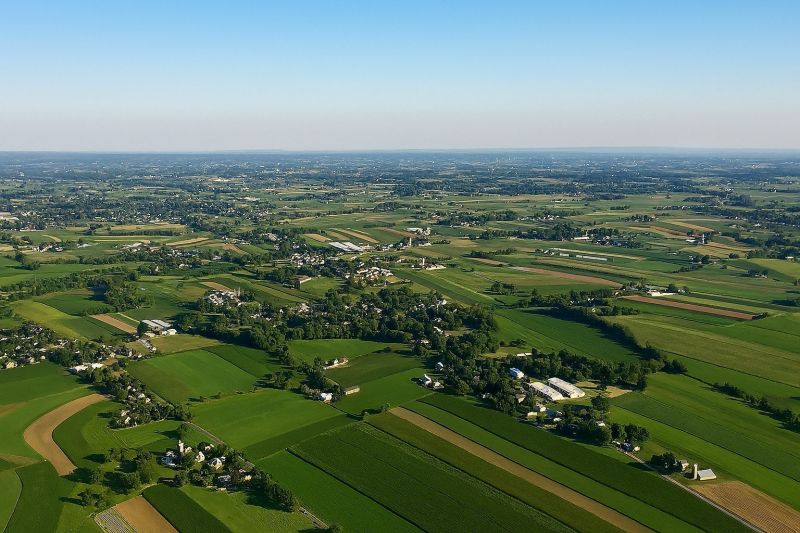
Poison ivy removal services are designed to safely eliminate this common plant from residential properties, helping to prevent skin irritation and allergic reactions for homeowners and their families. These services typically cover a variety of projects, including clearing poison ivy from yards, gardens, fences, and around outdoor structures. Property owners often want to understand the methods used for removal, the areas that can be treated, and whether the process involves herbicide application or physical removal to ensure the plant does not regrow.
Before requesting poison ivy removal, property owners should consider the extent of the infestation and the locations where the plant has taken hold. It’s helpful to know if the removal will involve targeting roots to prevent regrowth and whether protective measures are recommended during the process. Clarifying these details can ensure the project aligns with safety preferences and property maintenance goals, making the removal process as effective and straightforward as possible.
Many property owners in Lancaster County, PA look into Poison Ivy Removal for repairs, replacements, upgrades, and appearance-related improvements.
Common Poison Ivy Removal Jobs
Poison Ivy Removal - safely eliminates invasive plants from residential and commercial properties.
Yard Clearing - removes poison ivy from lawns, gardens, and landscape beds.
Fence Line Clearing - clears poison ivy along property boundaries and fences.
Tree and Shrub Trimming - removes poison ivy growing on or near trees and shrubs.
Landscaping Cleanup - ensures safe removal of poison ivy during property renovations.
Preventative Treatments - applies barriers to inhibit future poison ivy growth.
Poison Ivy Removal Questions
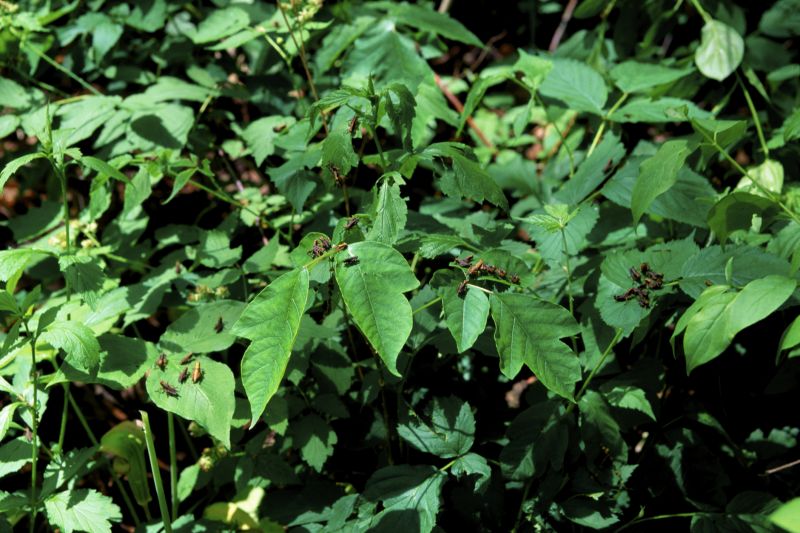
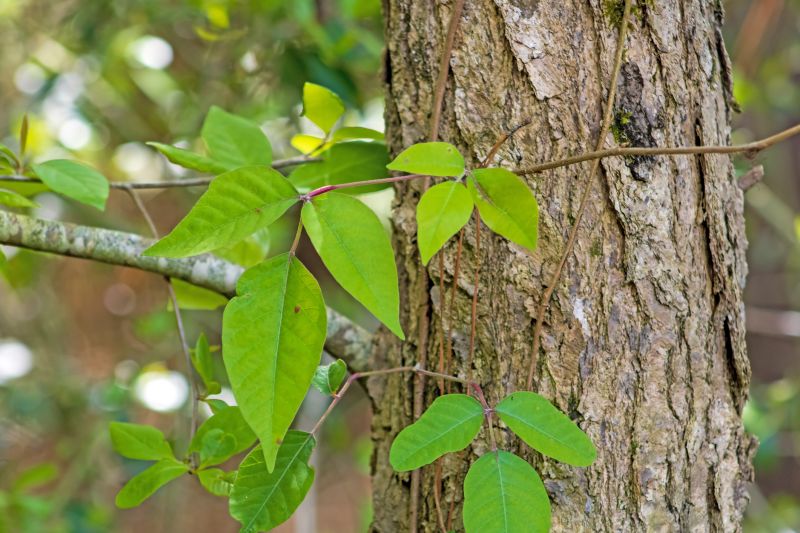
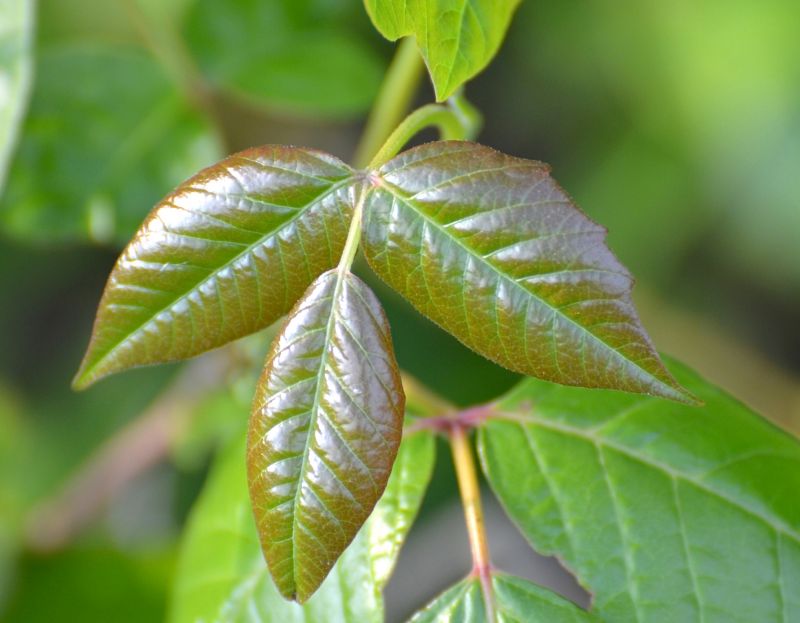
What is poison ivy removal? Poison ivy removal involves safely eliminating the plant to prevent skin irritation and property damage.
When should poison ivy be removed? Removal is recommended when the plant is in high-traffic areas or poses a risk of contact for residents and visitors.
How is poison ivy removed? The process typically includes manual removal or targeted herbicide application to eliminate the plant effectively.
Is removal safe for my property? Yes, professional removal ensures the plant is removed safely without harming surrounding landscaping or structures.
Request Poison Ivy Removal in Lancaster County, PA
Use the quote form on this page to share the basics of your project and request more information for the type of work you need.